
DATE
JULY 16, 2027
TIME
9:00 am - 12:30 pm CDT
COURSE FEE
$90
CONTINUING EDUCATION
3 CE ETHICS HOURS NBCC APPROVED · 3 CE CLINICAL HOURS OFFERED BY ASWB ACE
Course overview
Support sexual health and relationships for clients with ADHD and autism using a neurodiversity-affirming approach. Explore assessment, sensory needs, communication, and practical therapeutic strategies.
CLASS OBJECTIVES
1. Understanding Neurodivergence and Sexual Health:
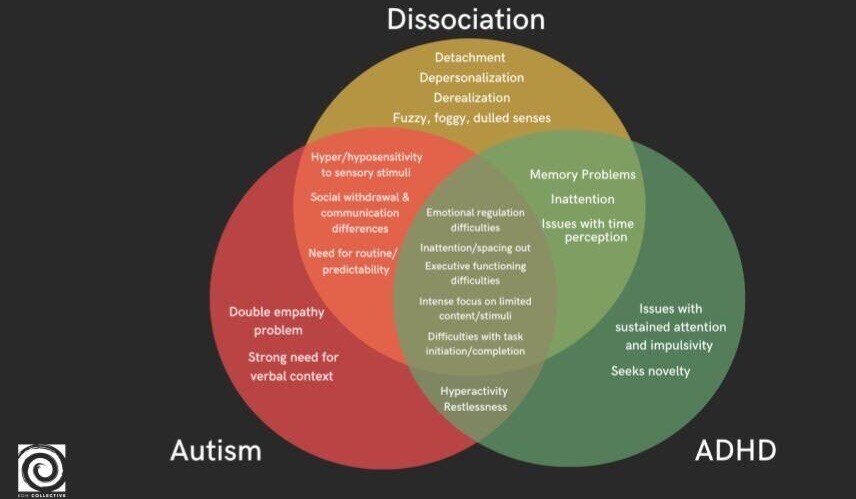
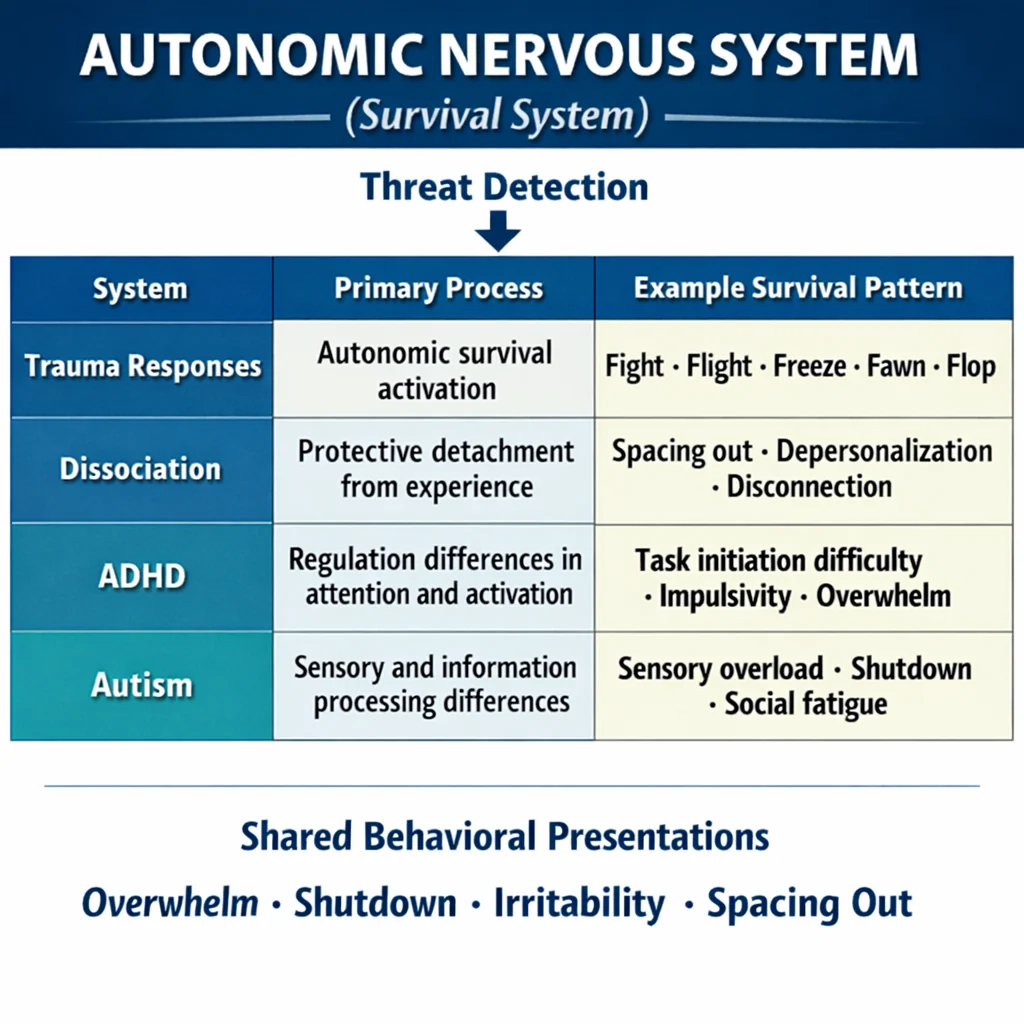
- Define and differentiate key characteristics of ADHD and Autism Spectrum Disorder (ASD) that can impact sexual health and relationships (e.g., executive dysfunction, sensory sensitivities, social communication differences, emotional regulation challenges, special interests).
- Explain how common neurodivergent traits (e.g., direct communication, different processing speeds, sensory seeking/avoiding behaviors, challenges with implicit social cues) may manifest in sexual expression, intimacy, and relationship dynamics for individuals with ADHD and/or Autism.
- Identify and challenge common misconceptions and stereotypes regarding sexuality in individuals with ADHD and/or Autism, promoting a neurodivergent-affirming perspective.
2. Assessment and Clinical Considerations:
- Describe ethical considerations and best practices for discussing sexual health and relationships with neurodivergent clients, ensuring a safe, respectful, and non-judgmental environment.
- Identify effective screening and assessment tools/approaches to gather comprehensive information about a neurodivergent client's sexual history, current concerns, desires, and challenges.
- Recognize the potential for co-occurring mental health conditions (e.g., anxiety, depression, trauma) that may intersect with sexual health concerns in individuals with ADHD and/or Autism.
- Discuss the impact of intersectionality (e.g., gender identity, sexual orientation, cultural background) on the sexual health experiences of neurodivergent individuals.
3. Therapeutic Interventions and Strategies:
- Formulate psychoeducational strategies to help neurodivergent clients understand their own unique sexual profile and how their neurotype influences their sexual experiences and relationships.
- Develop practical communication strategies to assist neurodivergent clients in expressing their sexual needs, boundaries, and desires to partners.
- Explore interventions to address sensory differences that may impact sexual activity and intimacy for individuals with Autism (e.g., identifying sensory preferences, creating sensory-friendly environments).
- Outline strategies for managing executive function challenges related to relationships and sexual health (e.g., planning dates, maintaining communication, follow-through on sexual agreements).
- Identify approaches for supporting healthy relationship development for neurodivergent individuals, including navigating dating, consent, conflict resolution, and maintaining long-term connections.
- Discuss interventions for addressing problematic sexual behaviors in a trauma-informed and neurodivergent-affirming manner, when applicable, emphasizing prevention and skill-building.
- Provide resources and referrals for neurodivergent clients seeking additional support related to sexual health, including sex positive resources, disability-specific organizations, and relevant community groups.
Full course description
This course helps licensed mental health professionals address sexual health and relationship concerns with clients who have ADHD and/or autism. It considers how executive functioning, sensory sensitivities, communication, and identity shape sexual expression, intimacy, and relationships.
The training integrates ethical assessment with attention to co-occurring conditions and intersectionality, including gender identity, sexual orientation, and cultural background. Participants examine psychoeducation, partner communication, sensory adaptations, executive-function supports, dating and relationship development, trauma-informed approaches to problematic sexual behaviors, and client resources.
Topics and agenda
Clinical topics
- Neurodivergent traits, sexual health, intimacy, and common stereotypes
- Ethical screening and nonjudgmental clinical assessment
- Co-occurring conditions and intersectionality
- Psychoeducation and understanding individual sexual profiles
- Partner communication, sensory differences, and executive-function supports
- Dating, relationship development, trauma-informed responses, and client resources
Class agenda
- Define and differentiate key characteristics of ADHD and Autism Spectrum Disorder (ASD) that can impact sexual health and relationships (e.g., executive dysfunction, sensory sensitivities, social communication differences, emotional regulation challenges, special interests).
- Explain how common neurodivergent traits (e.g., direct communication, different processing speeds, sensory seeking/avoiding behaviors, challenges with implicit social cues) may manifest in sexual expression, intimacy, and relationship dynamics for individuals with ADHD and/or Autism.
- Identify and challenge common misconceptions and stereotypes regarding sexuality in individuals with ADHD and/or Autism, promoting a neurodivergent-affirming perspective.
- Describe ethical considerations and best practices for discussing sexual health and relationships with neurodivergent clients, ensuring a safe, respectful, and non-judgmental environment.
- Identify effective screening and assessment tools/approaches to gather comprehensive information about a neurodivergent client's sexual history, current concerns, desires, and challenges.
- Recognize the potential for co-occurring mental health conditions (e.g., anxiety, depression, trauma) that may intersect with sexual health concerns in individuals with ADHD and/or Autism.
- Discuss the impact of intersectionality (e.g., gender identity, sexual orientation, cultural background) on the sexual health experiences of neurodivergent individuals.
11:00-11:30 Break
11:30- 12:30 Therapeutic Interventions and Strategies:
- Formulate psychoeducational strategies to help neurodivergent clients understand their own unique sexual profile and how their neurotype influences their sexual experiences and relationships.
- Develop practical communication strategies to assist neurodivergent clients in expressing their sexual needs, boundaries, and desires to partners.
- Explore interventions to address sensory differences that may impact sexual activity and intimacy for individuals with Autism (e.g., identifying sensory preferences, creating sensory-friendly environments).
- Outline strategies for managing executive function challenges related to relationships and sexual health (e.g., planning dates, maintaining communication, follow-through on sexual agreements).
- Identify approaches for supporting healthy relationship development for neurodivergent individuals, including navigating dating, consent, conflict resolution, and maintaining long-term connections.
- Discuss interventions for addressing problematic sexual behaviors in a trauma-informed and neurodivergent-affirming manner, when applicable, emphasizing prevention and skill-building.
- Provide resources and referrals for neurodivergent clients seeking additional support related to sexual health, including sex positive resources, disability-specific organizations, and relevant community groups.
Who should attend
Licensed mental health professionals working with sexual health and relationship concerns involving clients with ADHD and/or autism.
IF YOU ARE A CLIENT SEEKING INFORMATION
LIVE WEBINAR -INTERACTIVE DISTANCE LEARNING
This ADHD continuing education training provides licensed mental health professionals with a structured, neurodiversity-affirming framework for addressing neurodivergent sexuality in clients with ADHD and adult-diagnosed autism.
WHO SHOULD ATTEND:
This course is appropriate for:
- LPCs
- LCSWs
- LMFTs
- Psychologists
- Clinical interns and associates
Participants seeking ADHD continuing education training with applied focus on neurodivergent sexuality and relational health will benefit from this course.
FREE EBOOK
ARE YOU INTERESTED IN GAINING FURTHER KNOWLEDGE FROM OUR EBOOK ON NEURODIVERGENCE? This e-book is provided for educational and informational purposes only. It is not a substitute for professional supervision, training, or therapy. The content reflects current knowledge in the field of neurodivergence and related clinical practices, but it does not constitute formal continuing education credit.
CONVERSATIONS FROM THE COLLECTIVE
Explore the video library.
Neurodivergence: ADHD
Monet and Whitney share practical insights into ADHD and supporting neurodivergent clients in therapy.
Understanding ADHD
KD and Monet explore ADHD, common misconceptions, and neurodiversity-affirming approaches to care.
Neurodivergence in the Therapy Room
KD and Whitney share practical, neurodiversity-affirming strategies for supporting clients in therapy.
ENROLL IN NEURODIVERGENCE: SEX
$90 for 3 CE Hours
LEARN MORE FROM OUR PODCAST:
LISTEN TO KDH PODCASTMeet your instructors.
Monet David, MS, LPC, ADHD-CCSP
Monet David is a Licensed Professional Counselor and Certified ADHD Clinical Services Provider (ADHD-CCSP) in private practice. Monet specializes in supporting neurodivergent adults, bringing a neuro-affirming lens to the complexities of ADHD.
Full bio
KDH Collective Educator & KDH Counseling Clinical Director
 Monet David is a Licensed Professional Counselor and Certified ADHD Clinical Services Provider (ADHD-CCSP) in private practice. Monet specializes in supporting neurodivergent adults, bringing a neuro-affirming lens to the complexities of ADHD. A 2016 graduate of the ULL Counselor Education program, her diverse clinical background includes in-home family counseling, outpatient care for chronic mental illness, and pediatric assessments. With 170 hours of continuing education in sex education, she provides an inclusive, holistic approach to mental health.
Whitney Storey, MS, LPC, ASDCS
Whitney (she/her) is a Licensed Professional Counselor, Senior Instructor of Psychology, therapist at KDH Counseling, and lifelong learner. With a Master of Science in Psychology and an additional Master of Science in Counselor Education.
Full bio
KDH Education Director & KDH Counselor
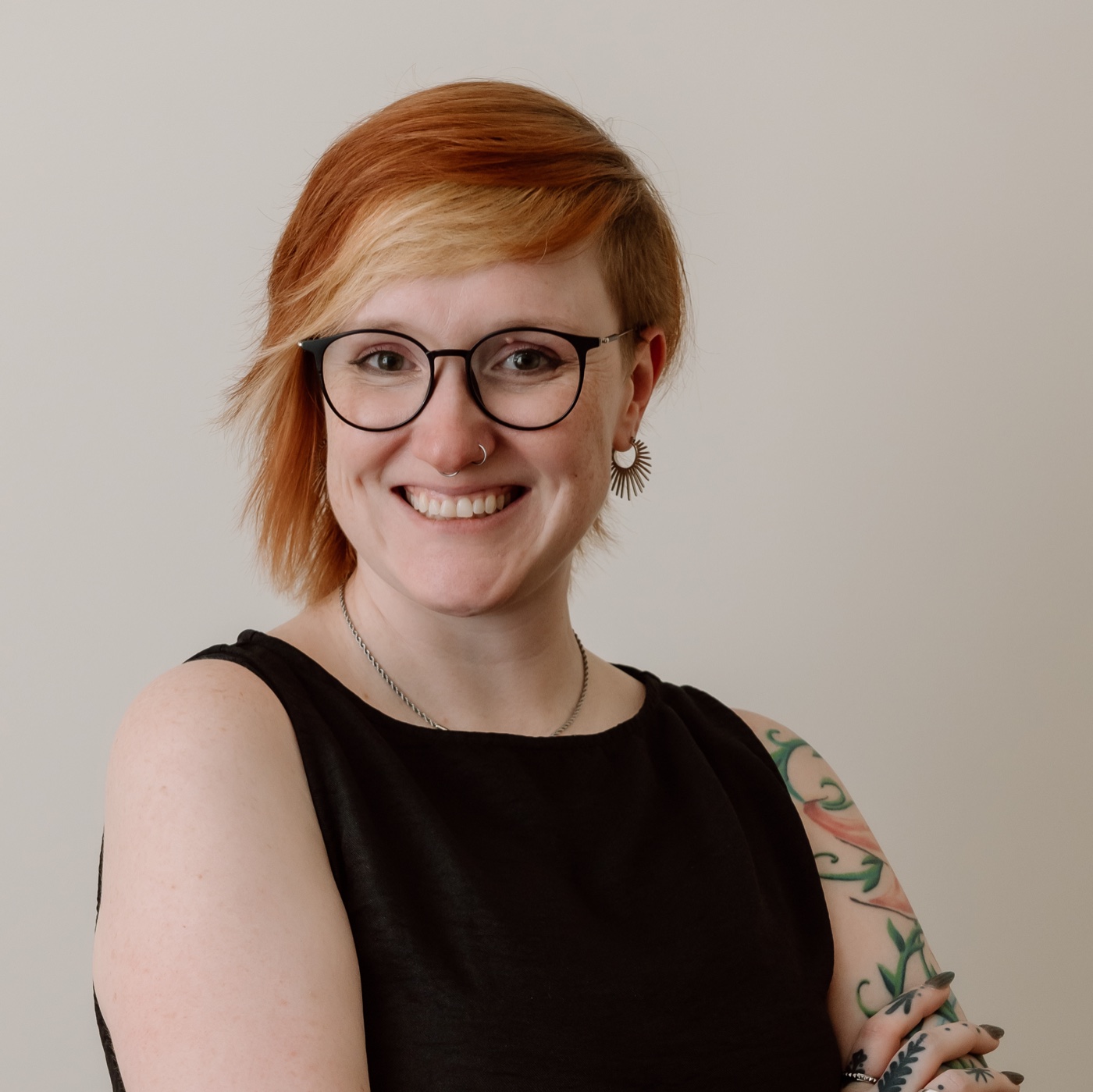
 Whitney (she/her) is a Licensed Professional Counselor, Senior Instructor of Psychology, therapist at KDH Counseling, and lifelong learner. With a Master of Science in Psychology and an additional Master of Science in Counselor Education. Whitney specializes in Acceptance and Commitment Therapy (ACT), helping individuals live value-driven lives to reach their full potential. With a decade of experience, she focuses on parenting, motherhood, perinatal mental health, identity, and incarceration. As a neurodivergent counselor and mother, her radical self-acceptance guides her unconditional positive regard for the people she interacts with daily.
CE approval details
NBCC / ACEP No. 7323

KDH COLLECTIVE - ACEP NO. 7323
KDH COLLECTIVE HAS BEEN APPROVED BY NBCC AS AN APPROVED CONTINUING EDUCATION PROVIDER, ACEP NO. 7323. PROGRAMS THAT DO NOT QUALIFY FOR NBCC CREDIT ARE CLEARLY IDENTIFIED. KDH COLLECTIVE IS SOLELY RESPONSIBLE FOR ALL ASPECTS OF THE PROGRAMS.
ASWB ACE / Provider No. 2506

KDH COLLECTIVE PROVIDER #2506
KDH COLLECTIVE PROVIDER #2506, IS APPROVED TO OFFER SOCIAL WORK CONTINUING EDUCATION BY THE ASSOCIATION OF SOCIAL WORK BOARDS (ASWB) APPROVED CONTINUING EDUCATION (ACE) PROGRAM. REGULATORY BOARDS ARE THE FINAL AUTHORITY ON COURSES ACCEPTED FOR CONTINUING EDUCATION CREDIT. ACE PROVIDER APPROVAL PERIOD: 09/30/2026 - 09/30/2029. SOCIAL WORKERS COMPLETING THIS COURSE RECEIVE 3 CLINICAL CONTINUING EDUCATION CREDITS.
Registration and accessibility
For LPCs, LMHCs, LCPCs, PLPCs, LMSWs, LCSWs, LMFTs, and other state-credentialed counselors
ADA NEEDS
We would be happy to accommodate your needs.
Contact us:
337-895-0300 [email protected]Registration Deadline closes at the beginning of course.
This live webinar is hosted through zoom. Participants are responsible for ensuring their device and internet connection meet Zoom’s current system requirements.
System Requirements for ZoomYour information is handled according to our Privacy Policy.
Questions and concerns
Your satisfaction is our goal and our guarantee. Concerns should be addressed to:
KDH Collective 4906 Ambassador Caffery Pkwy, Bldg I Lafayette, La 70508 337-895-0300 [email protected]Refund policy
We work hard to ensure the quality of our courses and educational materials. If you would like a refund, please email your request with an explanation to [email protected]within 48 hours of the live course, and we will review the refund request.
Attendance and certificate requirements
To successfully complete this course and receive a certificate of completion / continuing education credit, participants must:
-
Attend the full live webinar course from start to finish.
-
Submit evaluations forms. (Completion of the evaluation is a required step before certificates are issued.)
-
CE credit certificates will be emailed within a week of attending course and completing evaluations.